

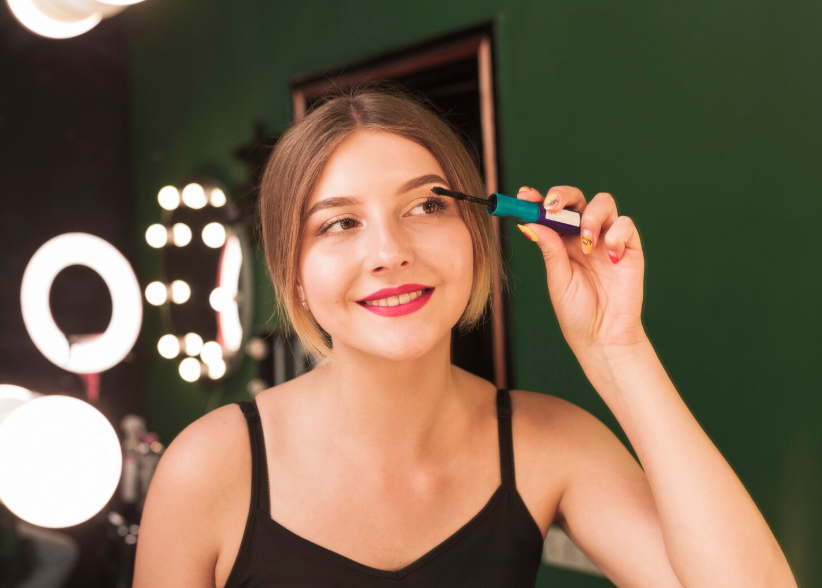
Black lashes on every single image regardless of makeup or skin tone? That’s the digital equivalent of wearing the same shoes with every outfit. Lash shading matters far more than most people realize, and getting it wrong creates subtle visual discord that makes enhanced images feel “off” even when viewers can’t pinpoint why.
Why Universal Black Lashes Fail So Often
The assumption that black lashes work universally stems from mascara marketing, not actual visual harmony. Black lashes create harsh contrast that works beautifully with dramatic makeup and deeper skin tones but looks jarring against fair skin with soft, natural makeup.
Consider how natural lashes actually appear across different complexions. People with very fair skin and light hair rarely have jet-black lashes – their natural lashes tend toward brown or even blonde. When you digitally add stark black lashes to such complexions, you’re introducing an element that nature wouldn’t place there. Fake lashes app like RetouchMe offer multiple lash shade options because professional designers understand this nuance.
Practical Guidelines for Lash Shade Selection
Matching lash shades to your specific image requires evaluating several visual elements simultaneously:
Fair skin with neutral or warm undertones benefits from dark brown or soft black lashes that provide definition without creating extreme contrast that overwhelms delicate features.
Medium skin tones with warm undertones pair beautifully with rich brown or deep espresso lashes that complement golden or olive undertones naturally present in the complexion.
Deeper skin tones can confidently wear true black lashes because the natural contrast levels in darker complexions support stronger lash definition without appearing harsh.
Images with heavy eye makeup in cool tones – silvers, grays, purples – work best with cooler black lashes that match the makeup’s temperature.
Warm makeup palettes featuring bronzes, coppers, and warm browns look more cohesive with chocolate or warm black lashes rather than stark cool-black options.
These aren’t rigid rules but starting points that professional services like Retouchme use when evaluating which lash template suits your specific image.
Beyond Basic Black: Understanding Lash Shade Nuance
Here’s what separates amateur lash enhancement from professional work: understanding that “black” isn’t actually one uniform shade. Digital black lashes can lean warm (with brown undertones), cool (with blue undertones), or neutral. This subtlety makes enormous difference in final results.
Warm black lashes contain slight brown or red undertones that pair beautifully with warm-toned images – think sunset lighting or golden hour shots. Cool black lashes with blue undertones complement images shot in bright daylight or with cool-toned artificial lighting.
The biggest mistake? Treating lash enhancement as a one-size-fits-all addition rather than a considered choice that should harmonize with your skin tone, makeup choices, and lighting conditions.