

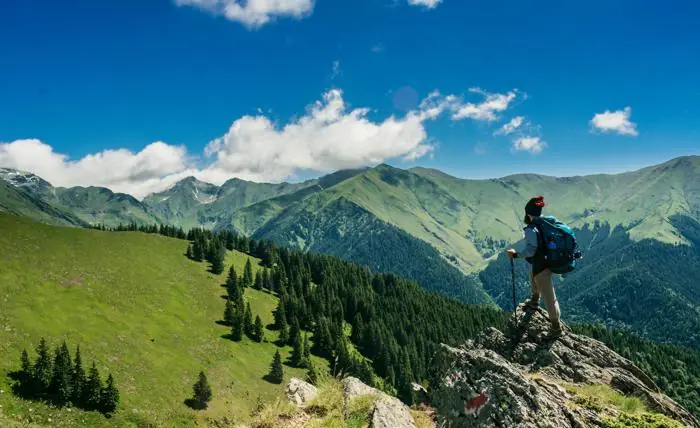
Across Europe, something special is happening. More people are choosing quiet paths over busy streets and wild valleys over packed squares. It feels like a gentle return to places that slow the mind down and make the world feel a little clearer. Countries are restoring forests. Rivers are being protected again. Communities are inviting travellers to explore landscapes that are cared for rather than consumed.
Because of this change, 2026 is shaping up to be one of the most meaningful years for nature travel. The shift is already visible on the ground, and each destination has its own story to tell.
What’s Changing in Europe’s Nature Travel Scene
Recent developments across Europe are creating a new kind of outdoor experience. These are not loud or dramatic changes. They are quiet, steady and full of purpose.
- The EU Nature Restoration Law came into effect in 2024, and it requires countries to repair damaged wetlands, forests and rivers. This is one of the continent’s boldest conservation commitments.
- Travellers are choosing nature based trips more than ever. Research shows a strong rise in wellness centred and slow travel experiences.
- Forest bathing and quiet nature retreats are becoming mainstream, with interest growing significantly in the last two years.
- Restored heritage stays such as old farmhouses, monasteries and rural inns are gaining attention and are expected to be among the most popular choices in 2026.
- In the Dolomites, new museums and sustainable mountain projects are highlighting Italy’s effort to protect high altitude environments.
- Albania’s Vjosa River is now recognised worldwide as Europe’s first protected wild river national park.
- Rewilding projects in the Balkans, especially in Croatia, are bringing back native wildlife and helping local communities build nature friendly tourism.
These changes mean that many of the landscapes you visit in 2026 will feel more protected, more alive and more valued than before.
Places Worth Exploring in 2026 and Why They Matter Now
Albania’s Vjosa Wild River
The Vjosa feels untouched in a way that is rare in Europe. It flows freely from the mountains to the sea, and its winding channels create a sense of entering a landscape shaped only by nature.
How to explore: Paddle gentle sections of the river, join guided walks or spend time with local groups working on conservation projects.
Croatia’s Rewilded Velebit Mountains
The Velebit region is becoming a powerful example of how nature returns when it is given space. Forests are thickening again, and wildlife such as wolves and lynx is slowly returning. The region feels alive in a quiet and grounded way.
How to explore: Stay in local eco lodges, walk long hiking routes and spend time in small villages that are part of the rewilding movement.
Italy’s Dolomites
The Dolomites are known for their dramatic views, but what is new is the way the region is connecting culture with nature. The Meissner Mountain Museums and the recently opened Meissner Hauls bring stories of the mountains to life.
How to explore: Follow the Camino Natura network, which offers a large collection of routes designed for slow and thoughtful walking.
The Forests of Scandinavia
People across Sweden, Norway, Finland, and parts of Germany and the United Kingdom are embracing forest bathing and deep nature retreats. These experiences focus on calm environments and the feeling of being fully present outdoors.
How to explore: Join guided forest therapy walks or book a silence retreat during the long, bright northern summer.
Ireland’s Restored Peatlands
Ireland is restoring many of its old peat harvesting areas and turning them into peaceful nature reserves. Boardwalks, wetlands and wildlife are returning to these places.
How to explore: Walk the reclaimed bog trails, learn about the culture linked to peatlands and support local eco projects.
Simple Ideas to Make Your Nature Trip More Meaningful
- Stay longer in a single region to experience it more deeply
- Choose eco certified guides for wildlife tracking, river trips or forest therapy
- Support destinations where tourism directly helps local conservation
- Look for heritage stays that reflect the character of the region
- Follow long distance walking paths to feel more connected to the landscape
A Flexible Way to Experience These Places
Many travellers are turning to caravan holidays for nature trips. This style of travel allows slow movement, free routes and unplanned stops. It gives you access to remote places without rushing and keeps the journey relaxed and open.
Final Thought
Europe’s nature escapes in 2026 offer more than scenery. They show a quiet but powerful shift in how people value the land. Forests, rivers and mountains are being restored with renewed care. When you visit these places, you are not only seeing nature. You are witnessing its return, and you become part of that moment.