

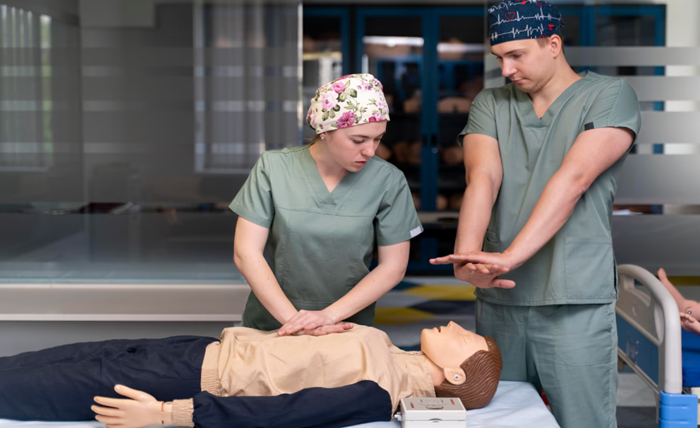
Emergencies can happen anywhere at home, at work, at school, or in public spaces. When they do, the people closest to the victim often have the greatest power to make a difference. Learning how to respond during these moments can mean the difference between recovery and tragedy. This is what makes CPR and first aid such essential skills. While each can stand alone, learning them together creates an even stronger foundation for effective emergency response. Many people choose to enroll in first aid classes to gain the combined knowledge needed to handle a wide range of sudden and unpredictable situations.
CPR focuses on keeping someone alive during cardiac arrest, while first aid covers everything from wounds and burns to choking, shock, allergic reactions, and fractures. When combined, these skills prepare individuals to react confidently, evaluate the situation clearly, and provide the correct type of care in the critical minutes before medical professionals arrive. It is this combination life-saving action plus injury management that makes CPR and first aid training so powerful.
A Complete Skill Set for Real-World Emergencies
Most emergencies don’t fit perfectly into one category. A person may faint before going into cardiac arrest. A child may choke while playing. Someone may fall, become unresponsive, or experience breathing problems with no warning. Learning CPR alone prepares you for one type of crisis, but pairing it with first aid gives you the ability to handle a much wider range of situations.
For example:
- Someone collapses first aid helps you check responsiveness, while CPR helps you take immediate action if they stop breathing.
- A person is injured in an accident first aid helps stabilize wounds while you monitor breathing and prepare for possible CPR.
- A child chokes first aid teaches you the correct back blows and abdominal thrusts, and CPR helps if the child becomes unresponsive.
Together, these skills transform a bystander into a capable responder, ready for multiple possibilities rather than a single scenario.
Stronger Decision-Making Under Pressure
During emergencies, stress can overwhelm even the calmest individuals. Without training, people may freeze, panic, or make decisions that unintentionally cause more harm. Learning CPR and first aid together provides the structure and clarity needed to act decisively.
This combined training helps you:
- Evaluate the scene
- Identify life-threatening conditions
- Know when CPR is needed
- Know how to control bleeding
- Understand how to protect the victim from further harm
- Determine when to call emergency services
- Organize help from others nearby
Decision-making is one of the most valuable skills in emergencies. The more knowledge you have, the easier it becomes to stay calm and focused when every second matters.
Better Preparedness in Homes, Workplaces, and Public Spaces
Most emergencies happen in everyday environments not in hospitals or clinics. Families, coworkers, teachers, coaches, and friends are often the first ones to respond. Learning both CPR and first aid improves preparedness in the places where emergencies are most likely to occur.
At Home
Families benefit greatly from combined training. Children are curious, adults may experience sudden medical episodes, and older family members face increased risks. Knowing what to do gives everyone peace of mind.
At Work
Workplaces that encourage combined first aid and CPR training have fewer complications after incidents. Employees feel more confident, and organizations become safer overall.
In Public Settings
Gyms, schools, pools, and parks are all locations where injuries and health emergencies happen frequently. Knowing both skills prepares you for almost anything you may encounter.
A Life-Saving Chain of Skills That Supports Itself
CPR alone is critical, but it becomes even more effective when paired with first aid techniques that support survival before and after compressions. For example:
- First aid helps keep the airway open before CPR becomes necessary.
- Controlling bleeding prevents shock, which can lead to cardiac arrest.
- Understanding shock management helps stabilize the victim after CPR.
- Knowing how to position a breathing but unconscious person keeps the airway clear.
This chain of skills creates a stronger safety net for the victim. Instead of responding only to the immediate crisis, you can support the entire emergency process from start to finish.
Confidence That Leads to Action
Training builds confidence, and confident responders are more likely to step forward when needed. Many people hesitate during emergencies not because they don’t want to help, but because they’re afraid of doing something wrong. When you understand both CPR and first aid, hesitation fades.
This confidence allows you to:
- Approach emergencies without fear
- Support victims before professionals arrive
- Keep bystanders calm and organized
- Make decisions based on knowledge rather than panic
- Take action quickly, even in stressful situations
Knowing what to do strengthens your ability to act and action is the most important part of saving a life.
The Ability to Help People of All Ages
Emergencies look different depending on the age of the victim. Children, infants, adults, and seniors each require unique approaches. Learning CPR and first aid together ensures you understand:
- Infant and child CPR
- Adult CPR
- Age-appropriate choking techniques
- Treatment for injuries based on age and physical condition
- How existing health conditions affect emergency response
This flexibility is crucial for real-world situations, where victims can range from toddlers to elderly individuals with medical complications.
Confidence to Use AEDs Correctly
Automated external defibrillators (AEDs) are becoming more common in public spaces, and they play a critical role in saving someone experiencing cardiac arrest. Combined CPR and first aid training teaches you how to use an AED safely and effectively, including:
- Recognizing when AED use is appropriate
- Knowing how to follow voice prompts
- Understanding pad placement
- Continuing CPR until the AED analyzes the heart rhythm
With these steps integrated into your training, your response becomes stronger and more organized.
A More Resilient and Prepared Community
Communities benefit when more people become trained in both first aid and CPR. Emergencies often happen in crowded areas schools, workplaces, parks, and events where trained individuals can make a meaningful difference before emergency teams arrive.
A community with widespread training has:
- Faster response times
- Fewer complications
- Better survival outcomes
- More confidence during crisis situations
- A culture of safety and readiness
When CPR and first aid are learned together, communities become safer and more resilient.
Conclusion
Learning CPR and first aid together creates a powerful combination that prepares individuals to handle emergencies with clarity, effectiveness, and confidence. These skills complement each other, forming a complete response system that supports victims from the moment an incident occurs until professional help takes over. Whether you’re at home, at work, or in public, this combined knowledge empowers you to protect the people around you and make immediate, life-saving decisions. With the right training and preparation, every person has the potential to become a capable first responder and a valuable link in the chain of survival.